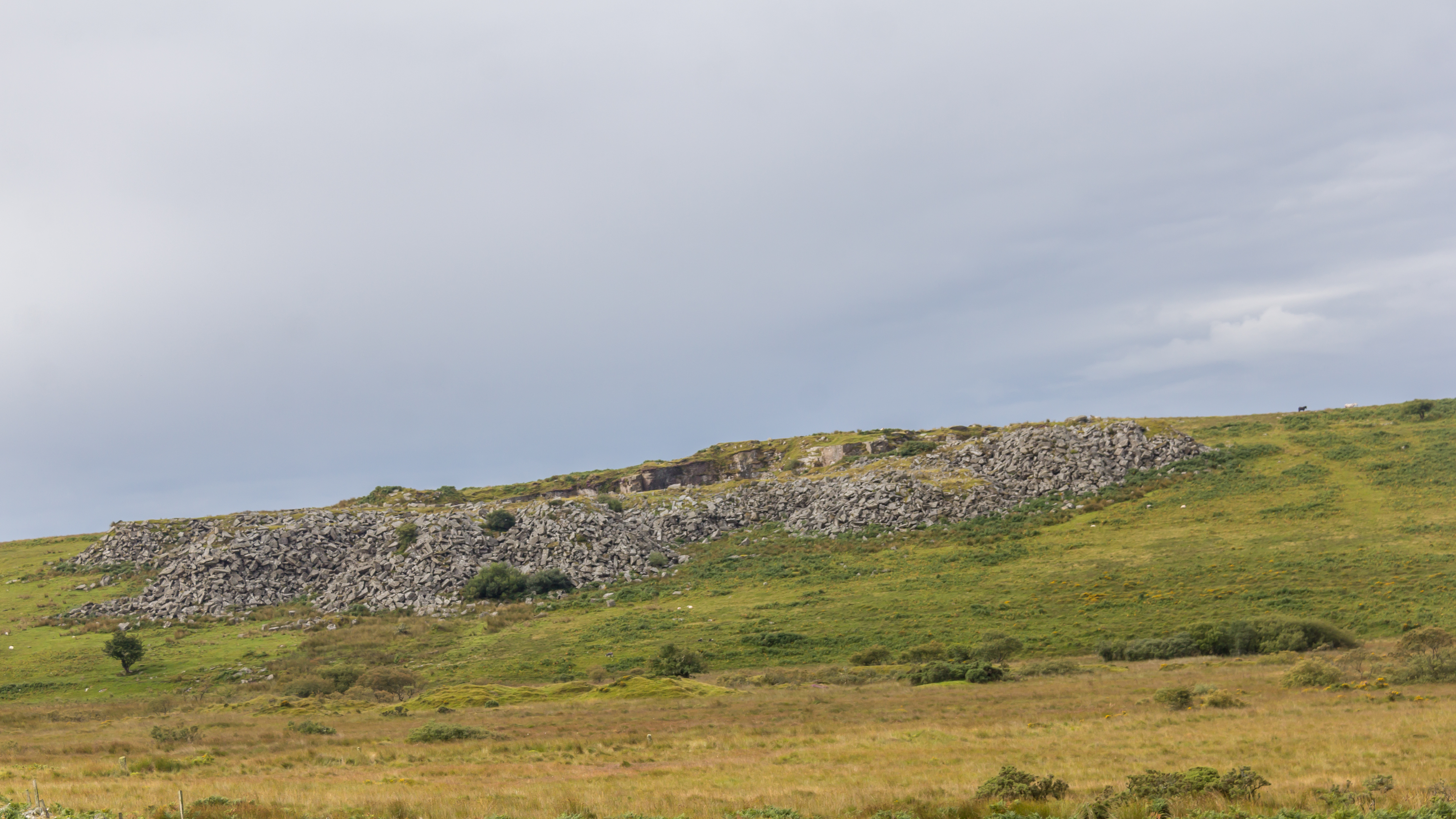
Bodmin Moor fringe
The strongest large cluster in the balanced shortlist. A landscape-scale signal built from repeated cells near Blisland and St Neot, combining strong habitat adjacency with restoration headroom.
Location Collection
These case studies turn the model from scores into places. Each page combines the national screening output with a short landscape reading, so you can see not just where a zone appears, but what kind of place it is now and why the model rates it highly.
The three featured locations are not "the answer" to where rewilding should happen. They are examples of what the model is actually finding: a moorland-edge mosaic in Cornwall, a peat-based wetland landscape in Somerset, and a northern borderland zone shaped by lowland peat context. Together they show that the shortlist is not just repeating one landscape type.
The strongest large cluster in the balanced shortlist. A landscape-scale signal built from repeated cells near Blisland and St Neot, combining strong habitat adjacency with restoration headroom.
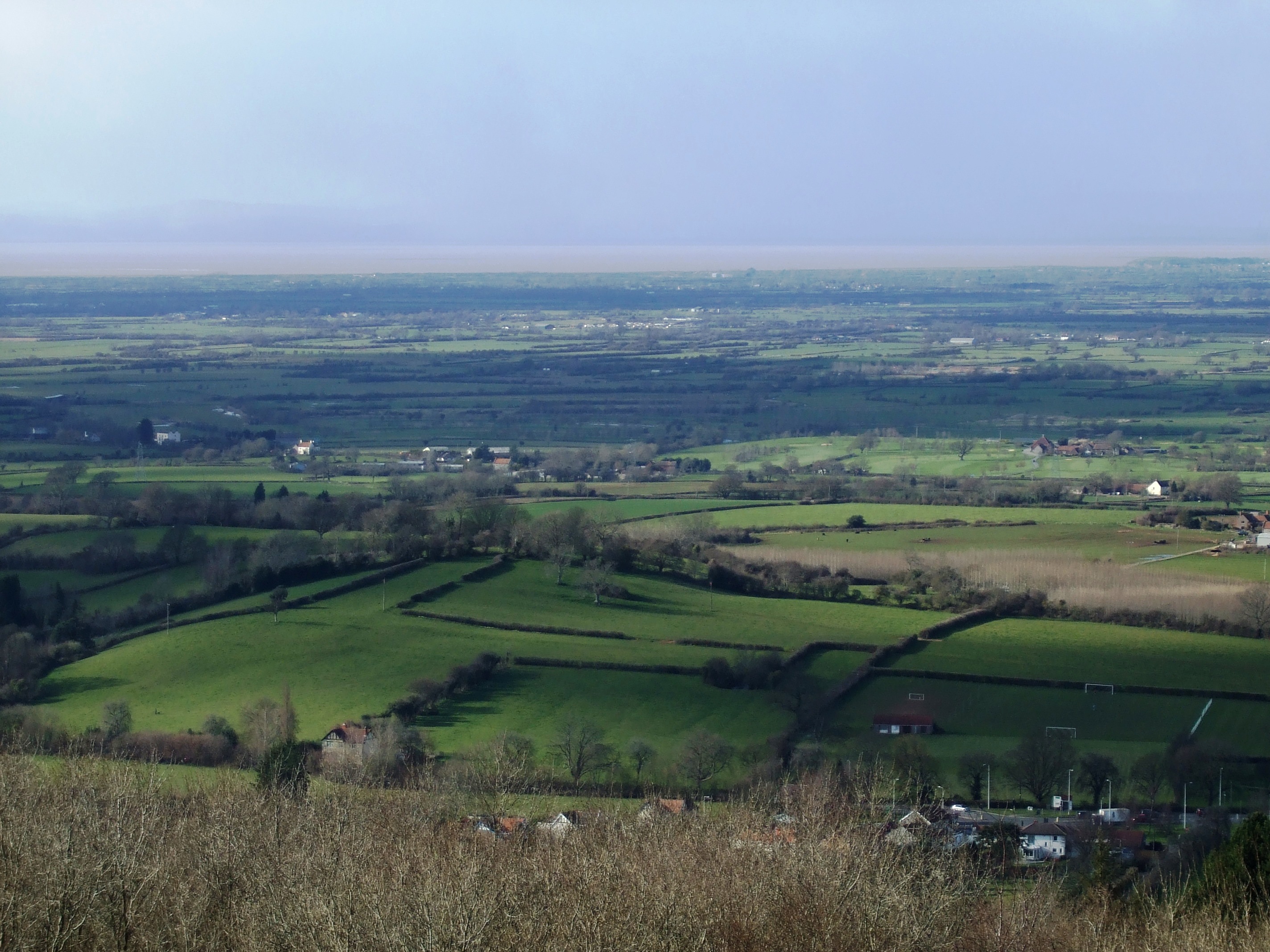
A smaller but very clear example of the model's logic: low current habitat share, high connectivity, strong restoration headroom, and a recognisable peat-based wetland setting.
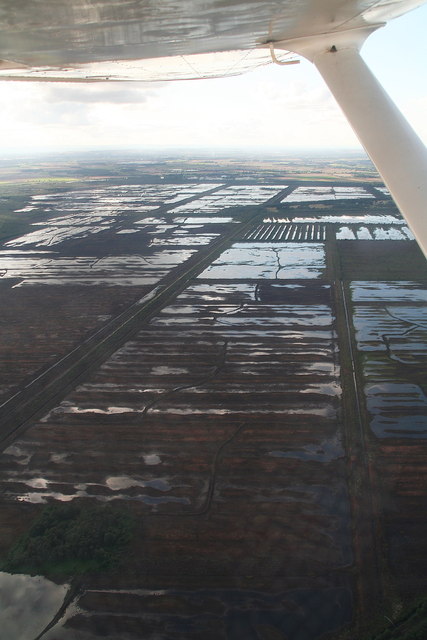
The highest maximum balanced score in the shortlist. A flatter, wetter, peat-influenced landscape that broadens the national story beyond the southwest.
This page gives the project a middle layer between raw rankings and full methods: real landscapes, a few key metrics, and a plain explanation of what the model is suggesting.